How Do Postbiotics
Support Your Health?
Postbiotics support health by delivering the beneficial molecules and cell components of microbes—without requiring the microbes to be alive—so they can modulate immunity, strengthen barriers, balance microbiota, and provide targeted physiological effects in safe, stable formats.
Four Key Mechanisms
Understanding how postbiotics interact with your body at the cellular level
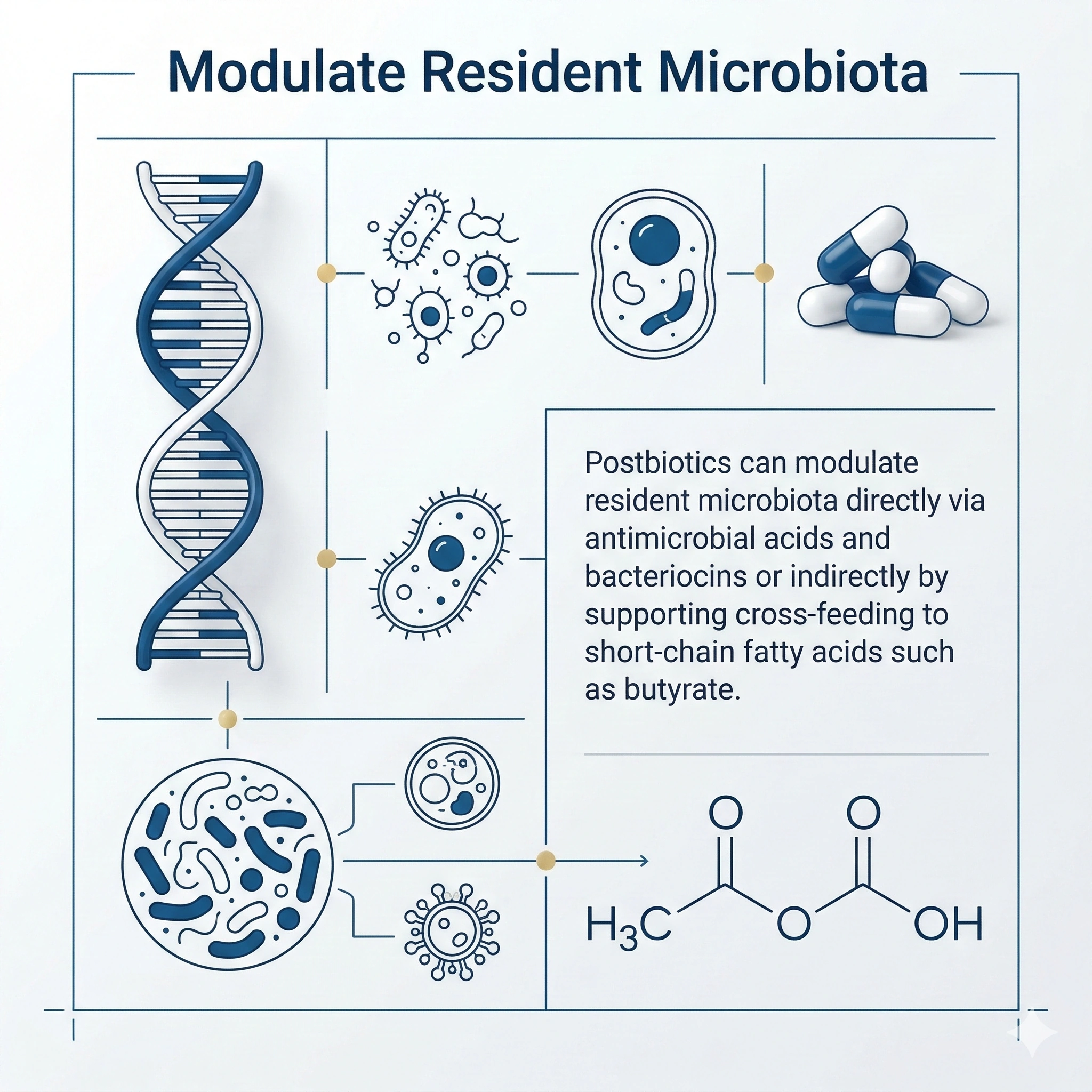
Modulate Resident Microbiota
Postbiotics can modulate resident microbiota directly via antimicrobial acids and bacteriocins or indirectly by supporting cross-feeding to short-chain fatty acids such as butyrate.
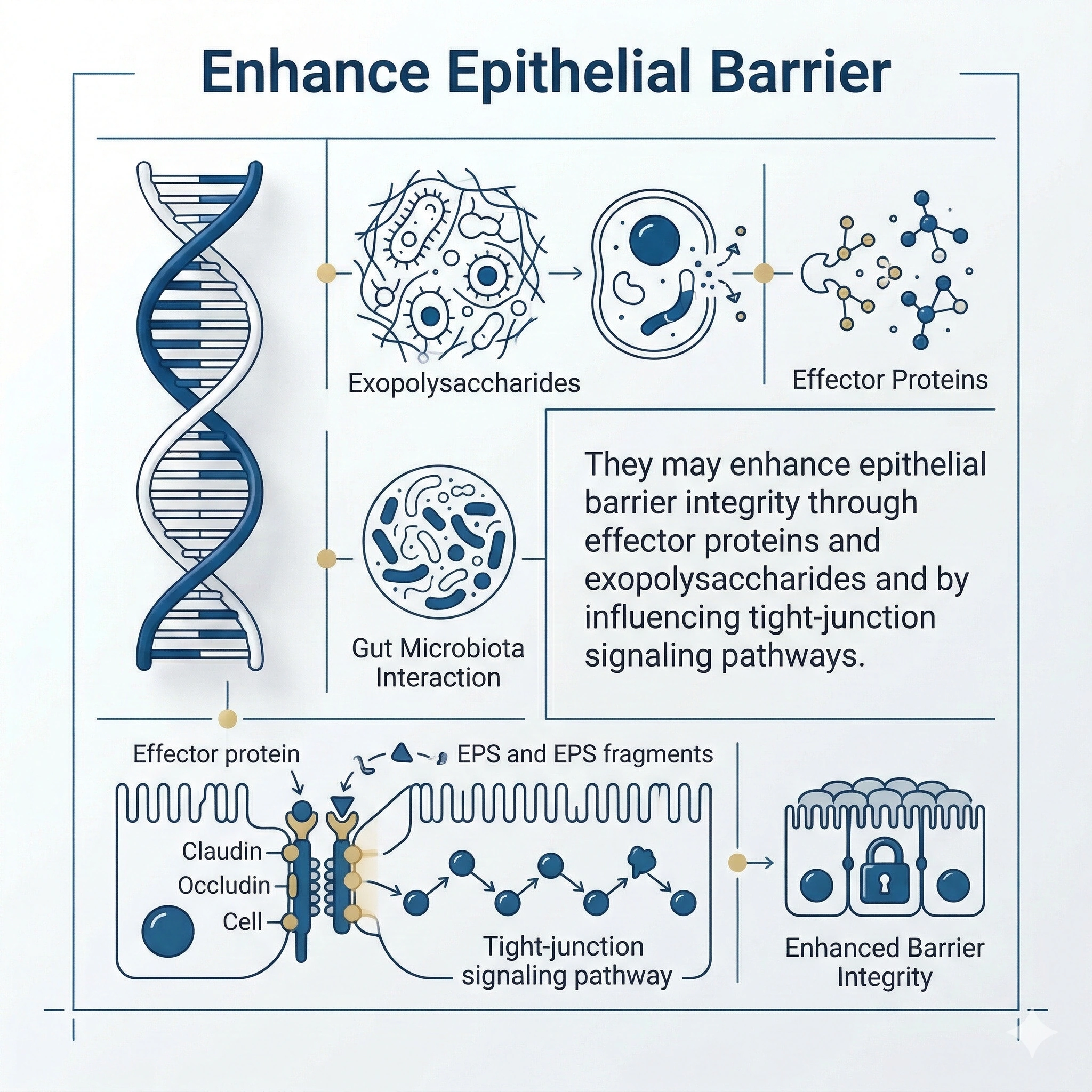
Enhance Epithelial Barrier
They may enhance epithelial barrier integrity through effector proteins and exopolysaccharides and by influencing tight-junction signaling pathways.
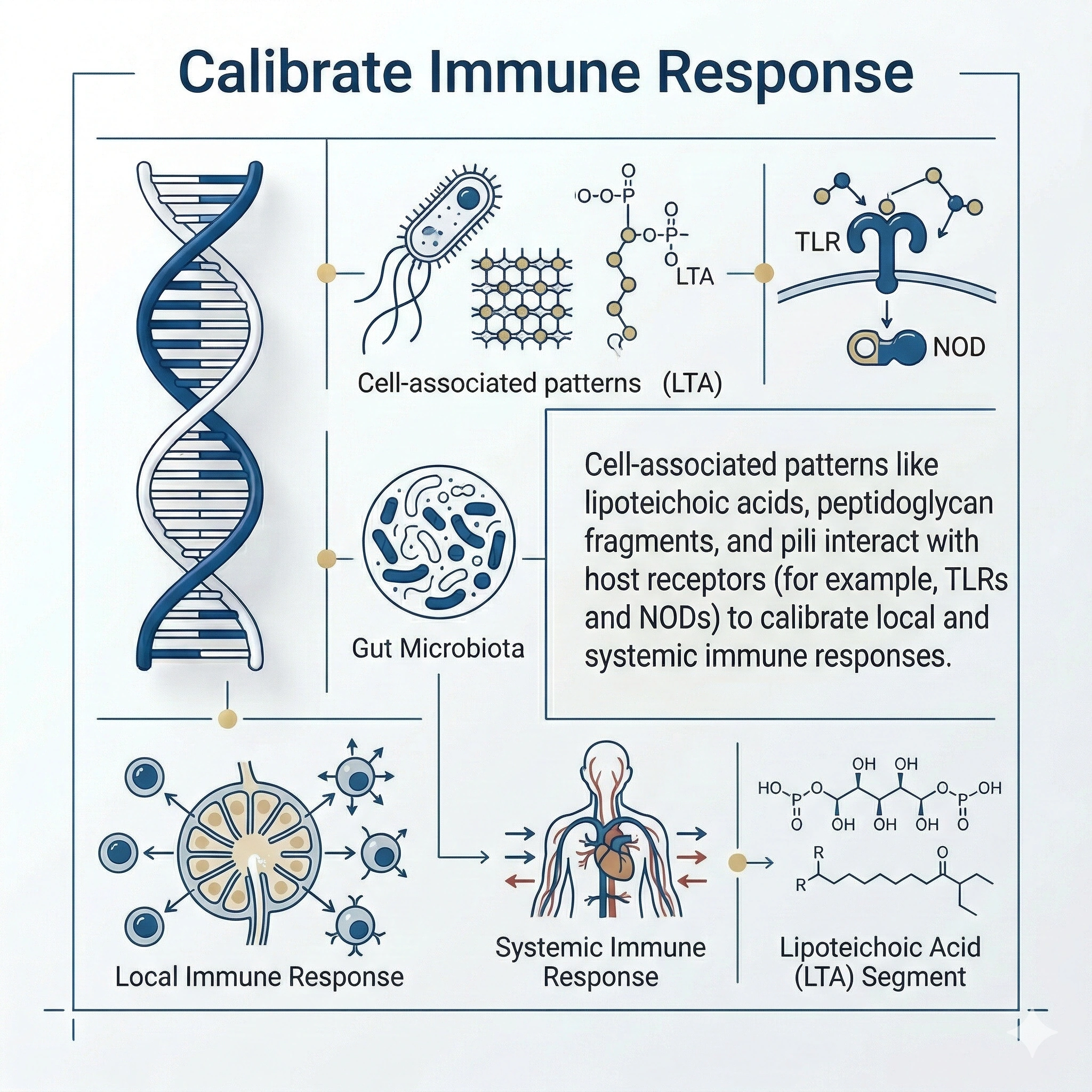
Calibrate Immune Response
Cell-associated patterns like lipoteichoic acids, peptidoglycan fragments, and pili interact with host receptors (for example, TLRs and NODs) to calibrate local and systemic immune responses.
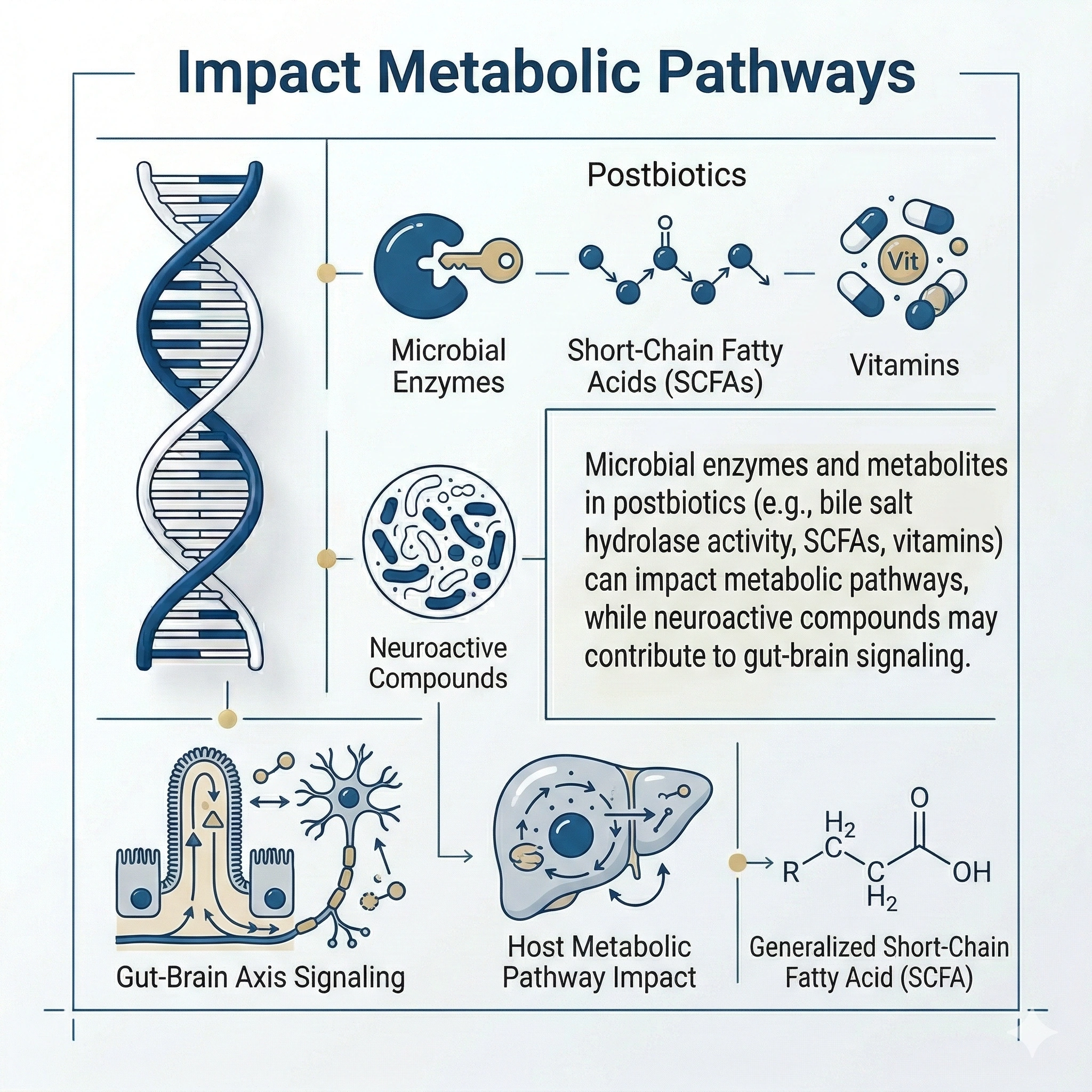
Impact Metabolic Pathways
Microbial enzymes and metabolites in postbiotics (e.g., bile salt hydrolase activity, SCFAs, vitamins) can impact metabolic pathways, while neuroactive compounds may contribute to gut-brain signaling.
What the Research Shows
Each example below states what was tested and at what level.
Irritable Bowel Syndrome
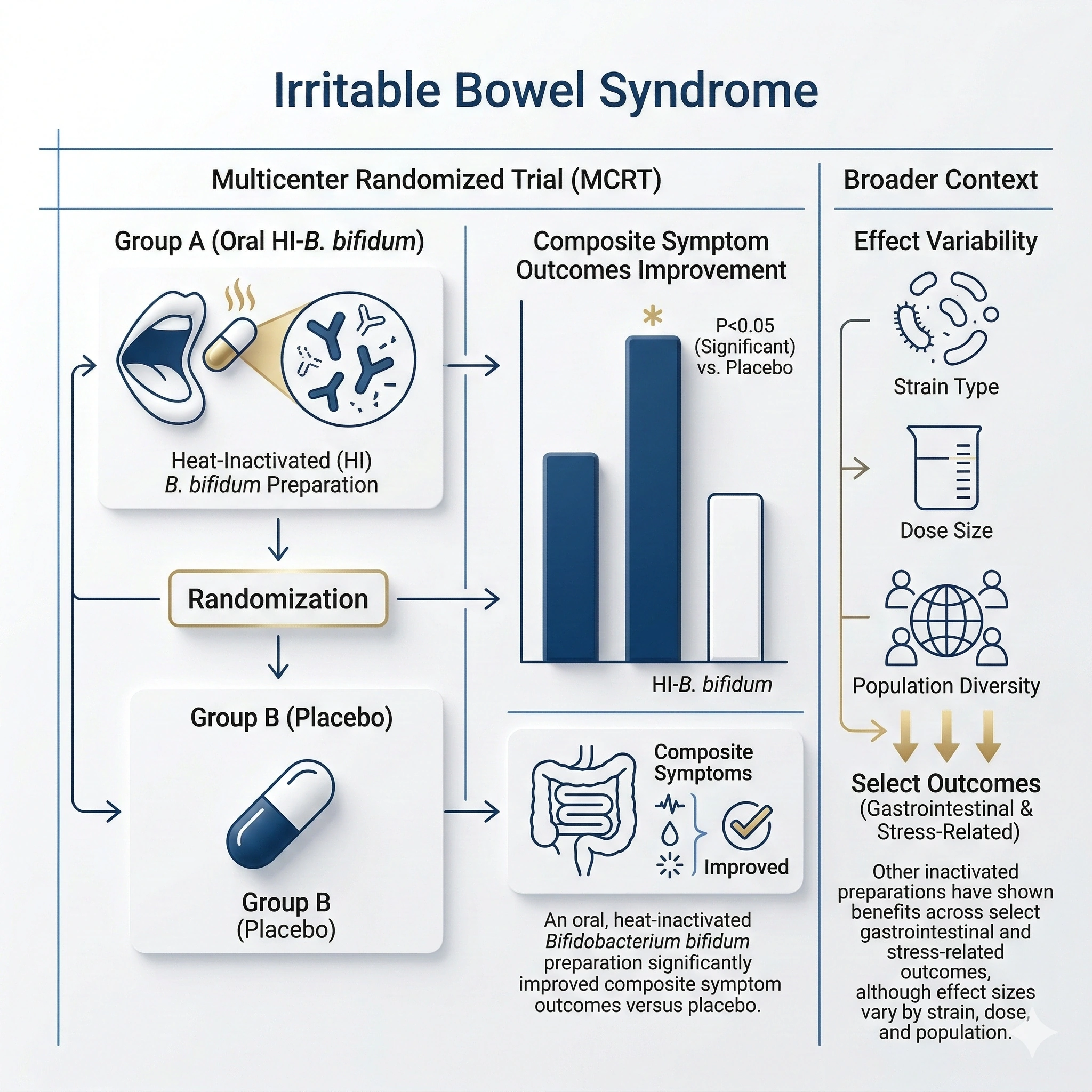
In adults with irritable bowel syndrome, an oral, heat-inactivated Bifidobacterium bifidum preparation significantly improved composite symptom outcomes versus placebo in a multicenter randomized trial.
Other inactivated preparations have shown benefits across select gastrointestinal and stress-related outcomes.
Oral Health
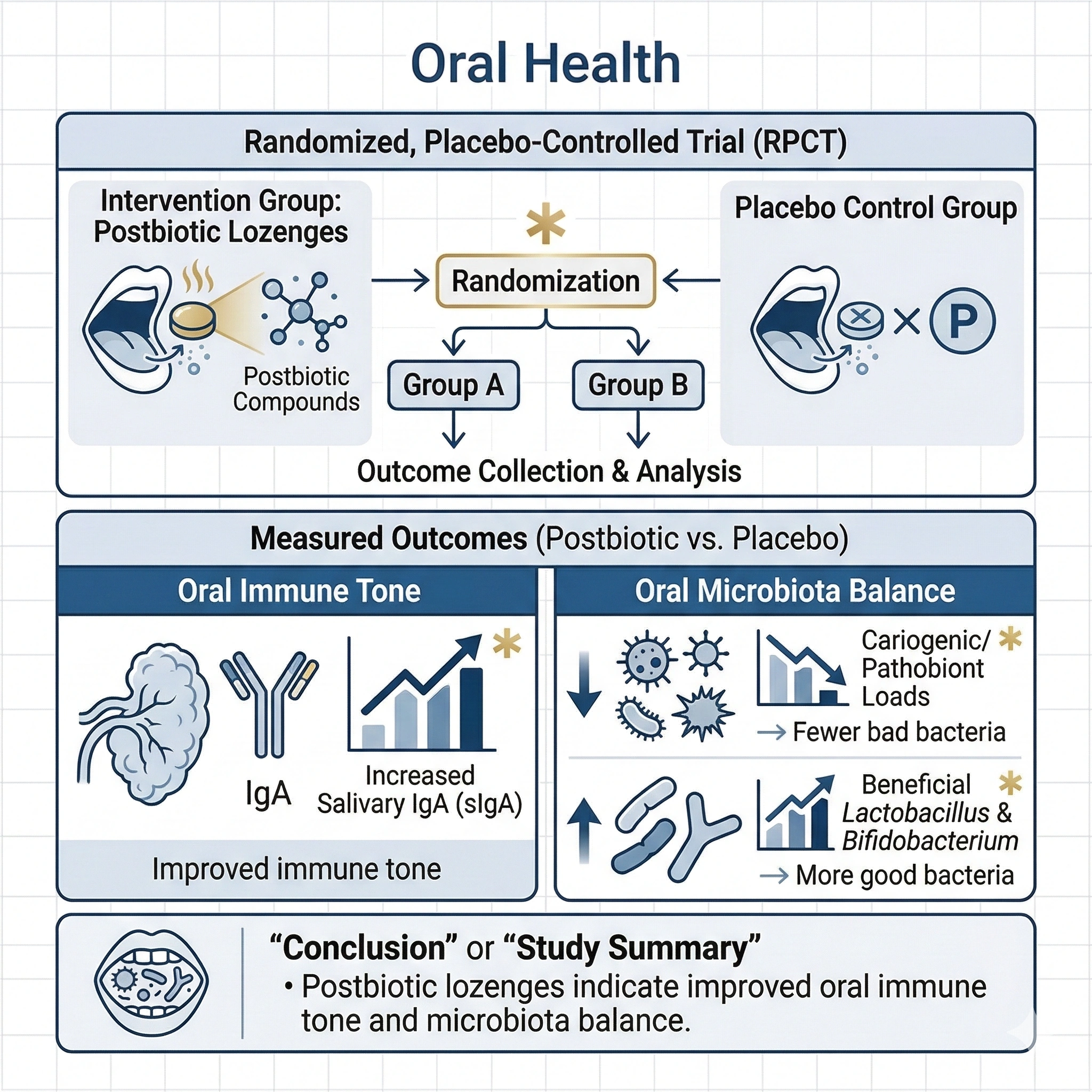
In oral health, a randomized, placebo-controlled study found postbiotic lozenges increased salivary IgA, reduced cariogenic/pathobiont loads, and elevated beneficial Lactobacillus and Bifidobacterium.
Salivary markers and bacterial counts changed in the postbiotic lozenge group at week 4.
Gastroprotective Potential
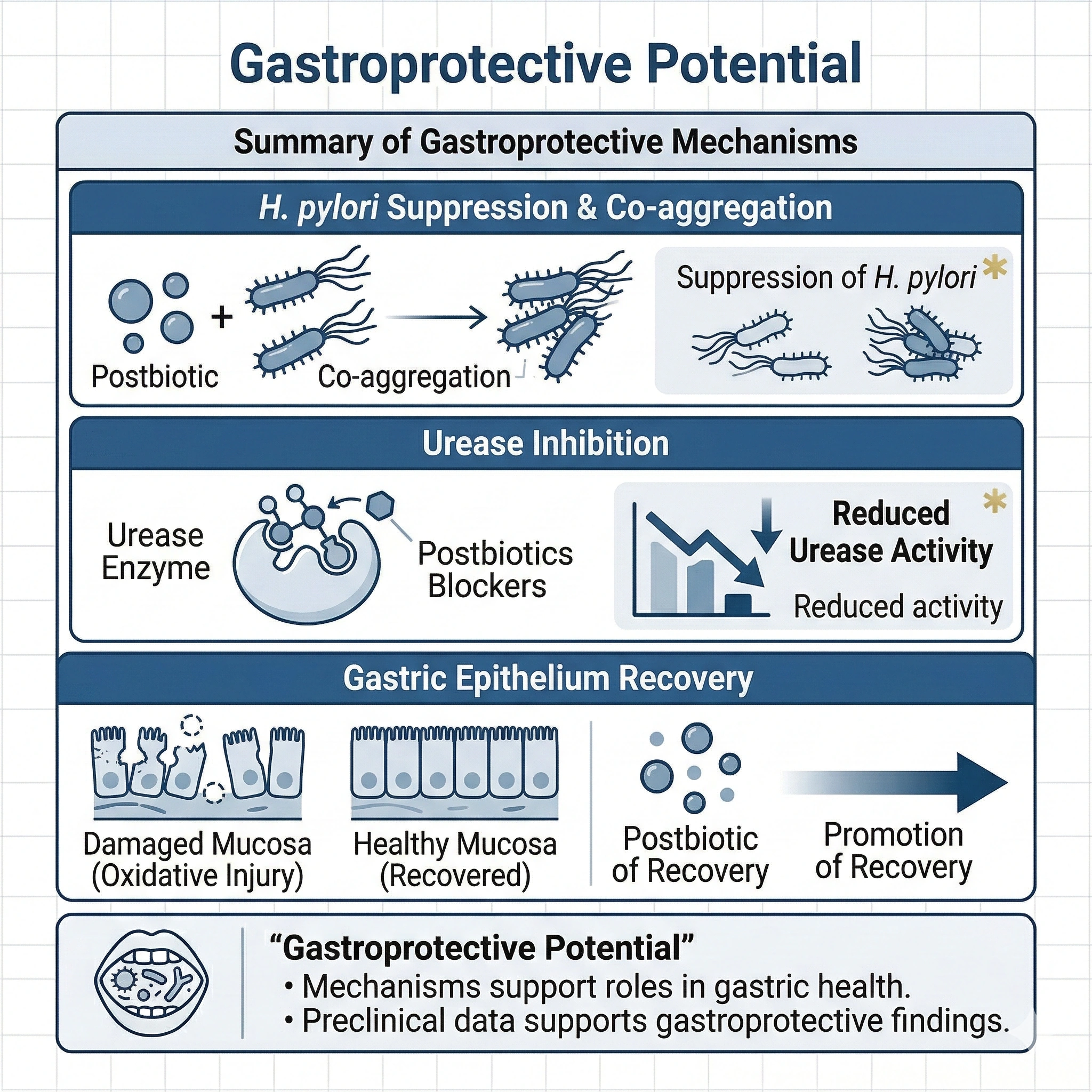
In vitro and preclinical data suggest postbiotics can co-aggregate with and suppress Helicobacter pylori, reduce urease activity, and promote epithelial recovery after oxidative injury.
Discover the Science Behind Postbiotics
This resource, informed by leading scientific consensus and peer-reviewed research, provides an evidence-based overview of postbiotics—what they are, how they function, and their documented health applications.
Explore Our Knowledge HubVisit our Knowledge Hub for comprehensive details on scientific definitions, mechanisms, and comparative analyses.